
Why Meditation Feels Like Nothing Is Happening
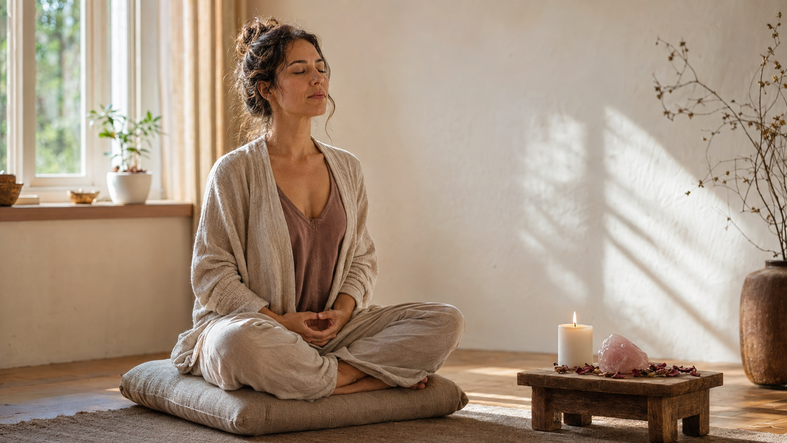
There are seasons in meditation when it genuinely feels as though nothing is occurring. You sit. You breathe. You return to the mantra or the sensation of the breath. Yet the experience remains ordinary. Quiet, perhaps a little restless, but largely familiar. There is no expansion, no light, and no sudden sense of depth.
What many people do not realize is that something is often happening beneath the surface. The nervous system is learning to settle. Subtle layers of tension are loosening. The mind is slowly becoming more familiar with stillness.
These changes can be so gradual that they show up first as better sleep, a softer reaction to daily stress, or a quiet sense of being a little more present. The more dramatic inner experiences often come later.
Still, most of us eventually hope for some tangible shift. If that has not arrived yet, it does not mean you are failing. One or more common patterns may simply be limiting how deeply the practice can go. Here are five of the most frequent ones, along with gentle ways to work with them.
Overstimulation From the Rest of Your Day
Meditation does not happen in a vacuum. The state of your nervous system when you sit down shapes the quality of the session.
Screens are one of the biggest modern contributors to overstimulation. Long stretches on phones and computers keep the brain in an active state. Bright evening light can interfere with sleep, while the constant stream of information trains the mind to expect novelty and rapid input. Asking that same mind to rest in stillness can feel like trying to slow a vehicle that has been moving at full speed all day.
Many people notice an improvement when they:
- Reduce evening screen time
- Take more frequent breaks during the day
- Dim their screens or use warmer nighttime display settings
Even small changes can help. Putting the phone in another room an hour before bed, or spending the final twenty minutes of the evening without a screen, may make the transition into meditation noticeably smoother. The practice begins to feel less like an uphill climb and more like a natural settling.

Changing Techniques Too Often
We live in a time of abundant teachings. A new method, app, or guided practice is always available. While this variety can feel inspiring, it can also lead to digging many shallow wells instead of one deep one.
Meditation is essentially a training in continuity of attention. Depth tends to develop when the mind returns to the same object, such as the breath, a mantra, a sensation, or an image, day after day and month after month. Jumping between techniques every few weeks may keep any single method from having enough time to mature.
A practical approach is to choose one clear technique that resonates with you and stay with it for a meaningful stretch of time. Give the technique several weeks or months before deciding what it can offer. You can still explore other practices outside your formal sitting, but protect the core method. Consistency creates the conditions for the practice to deepen on its own.
Missing a Bridge Between Ordinary Life and Meditation
Going straight from a full, stimulating day into silent sitting is a big ask for most nervous systems. The mind is still processing conversations, tasks, and residual tension. Expecting it to become quiet on command often leads to frustration.
A short bridge practice can make a remarkable difference. This is simply a transitional step that begins calming the body and collecting the mind before formal meditation begins.
Helpful options include:
- A few minutes of conscious breathing
- Gentle qigong or stretching
- Slowly moving mala beads while repeating a short mantra
- Washing your hands and face with full attention
These small rituals signal to the nervous system that a shift is happening. The body begins to settle, and the breath becomes deeper. By the time you sit, you are no longer asking the mind to make a sudden leap. You are already partway there.

Constant Self-Monitoring
Almost everyone encounters the inner commentary:
- “Am I doing this right?”
- “Is anything happening yet?”
- “Why isn’t this deeper?”
At first, the questions may be occasional. Left unchecked, they can become a steady stream of evaluation that pulls you out of the practice and into analyzing the practice. This kind of self-monitoring is a subtle form of effort that keeps the mind active instead of allowing it to settle.
The remedy is simple in theory and requires patience in practice. Notice the thought, then return without debate to your chosen object. If you are following the breath, come back to the breath. If you are using a mantra, return to the mantra.
Treat evaluative thoughts the same way you would treat any other distraction. They do not need to be solved. They only need to be released.
Over time, the habit of returning becomes stronger than the habit of checking.
Attention Without Warmth
It is possible to turn meditation into a purely mental exercise, an attempt to control or quiet the mind through focus alone. While concentration is valuable, a practice that stays only in the head can feel dry or effortful.
Many people find that deliberately bringing an element of love, gratitude, or devotion into meditation softens the whole experience and opens a different quality of depth.
This does not have to look any particular way. You might begin the session by quietly offering thanks for the day, for the opportunity to sit, or for whatever feels most meaningful to you. You might rest your attention in the heart area while holding a sense of warmth toward the divine, your higher self, a spiritual presence, or simply the life that is breathing you.
When the heart is included, the mind often becomes quieter on its own. The practice shifts from managing thoughts to resting in a warmer, more receptive state. You might begin with a few sincere sentences of gratitude or connection, then move into your usual technique. The difference can be striking.

Notice What Changes Beyond the Cushion
The clearest signs of a deepening meditation practice may appear after the session is over. You might notice a pause before an old reaction, greater steadiness during a difficult conversation, or a little more patience with yourself and others. These changes can seem ordinary, yet they reveal that stillness is beginning to travel with you into daily life.
Choose one adjustment from this list and work with it for the next week. Create a short transition ritual, stay with one technique, or begin each meditation with a moment of gratitude. Give the practice room to unfold, then notice how you move through the rest of your day.
Depth can reveal itself through light, expansion, or a vivid sense of presence. It can also take the form of clarity, resilience, compassion, and a quieter relationship with your own thoughts. When meditation feels like nothing is happening, look gently at the life surrounding the practice. Something may already be changing.


